
Precision Dispersion Technology for Freely Controlling Particle Size
Precision Dispersion Technology
DNP Fine Chemicals possesses technology to precisely disperse a wide range of functional powders, including organic and inorganic pigments, using bead mills. This technology controls particle size to the optimal level for each application while achieving high stability.
It provides the dispersion quality required for various products, such as inkjet inks and color resists, maximizing material performance.
What is Precision Dispersion Technology?
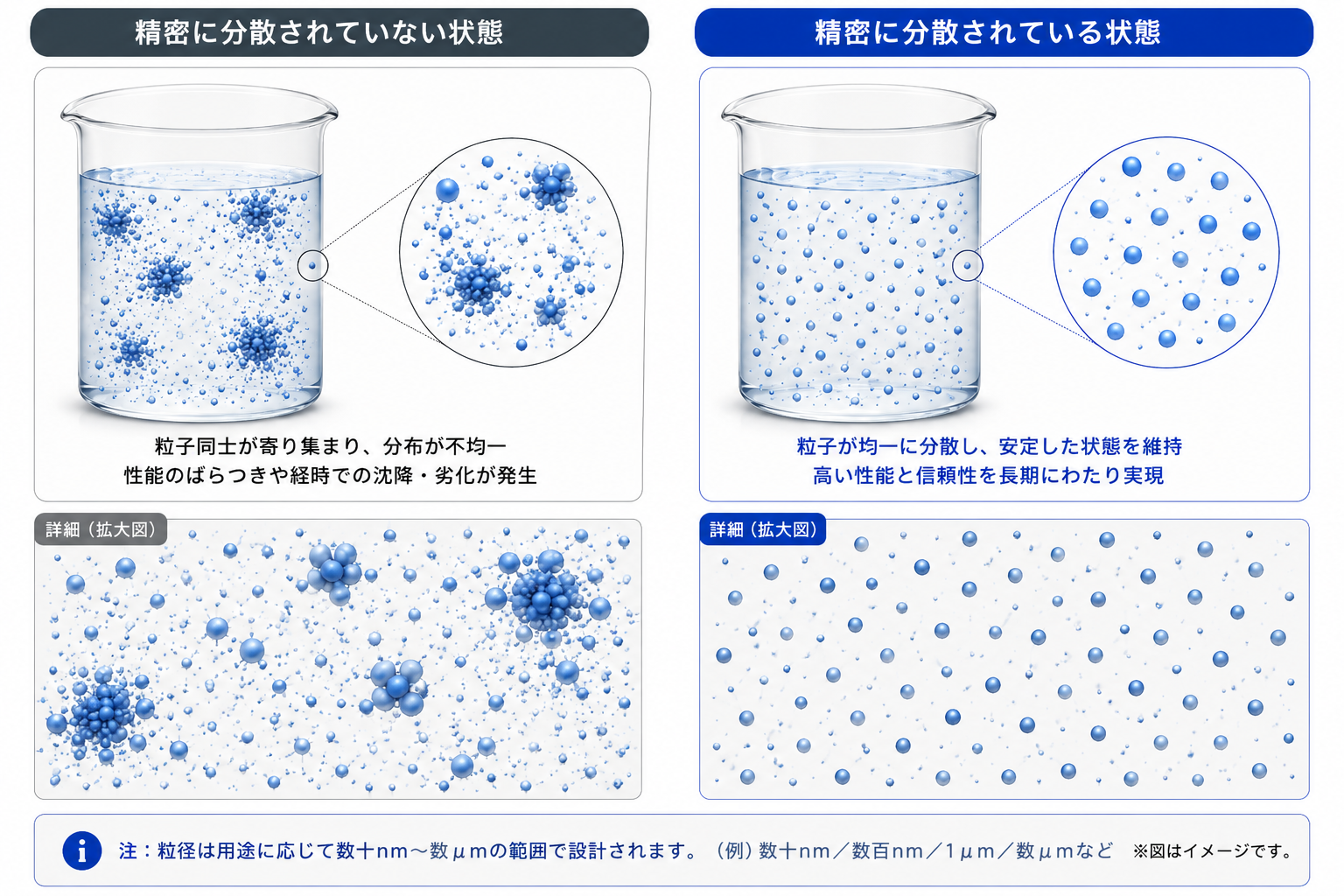
Precision dispersion technology is an advanced process for uniformly and stably dispersing particles in the nano- to submicron size range within a liquid. By preventing particle aggregation and precisely controlling target particle size distribution, shape, and surface condition, it significantly enhances the performance of functional materials such as inks, resists, and adhesives.
When combined with resin design and interfacial control technologies, it enables long-term stable dispersion even at high concentrations. As a core technology, it supports a wide range of required properties—including color reproduction, fine patterning performance, and durability—across various applications.
DNP Fine Chemicals’ Precision Dispersion Technology
DNP Fine Chemicals’ precision dispersion technology is characterized by its ability to simultaneously achieve high concentration, fine particle size, and long-term stability in order to maximize material performance.
High-Concentration, High-Viscosity Dispersion
Through proprietary dispersion formulation design and equipment control, uniform dispersion is achieved while suppressing particle collisions and aggregation. As a result, even high solid-content and high-viscosity systems—typically difficult to handle—can stably disperse target materials at high concentrations, contributing to enhanced functionality of high-performance materials such as inks and resists.
Particle Size Control (μm → nm)
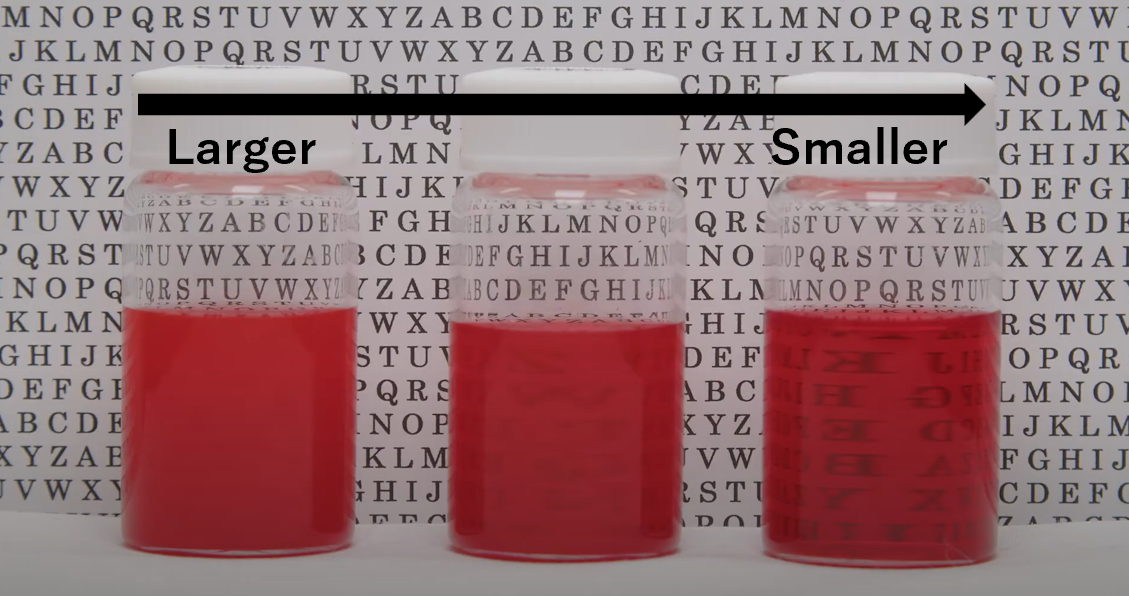
By precisely designing the chemical structure of particle surfaces and their interactions with dispersants, micrometer-sized particles can be finely reduced and homogenized down to the nanometer scale.
Maintaining a narrow particle size distribution significantly improves material performance in downstream processes, including optical properties as well as coating and development characteristics.
Long-Term Stabilization
Through surface modification of dispersed particles and interfacial energy control, sedimentation, aggregation, and re-aggregation are prevented, maintaining a stable dispersion state over long periods. The dispersion also exhibits high stability against temperature fluctuations and storage conditions, greatly contributing to improved quality uniformity and reliability across product lots.
Applications of Precision Dispersion Technology
Color Resist
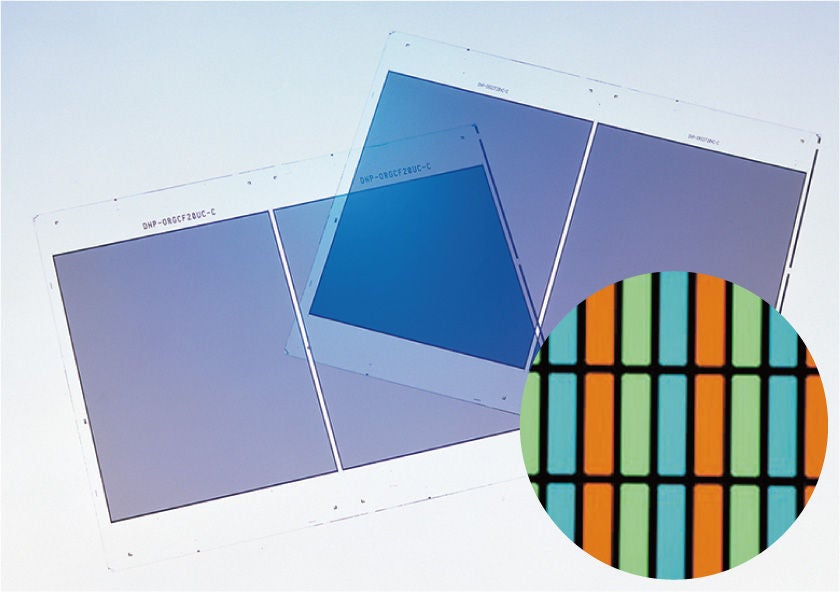
Color resists are materials used to form display pixels and require both high color saturation and fine patterning capability.
Through ink formulation technology, pigment dispersion, resin solubility, and photoreactivity are optimized to achieve properties suited for exposure and development processes. This enables uniform film formation and high color purity, contributing to high-definition display performance.
Inkjet Inks
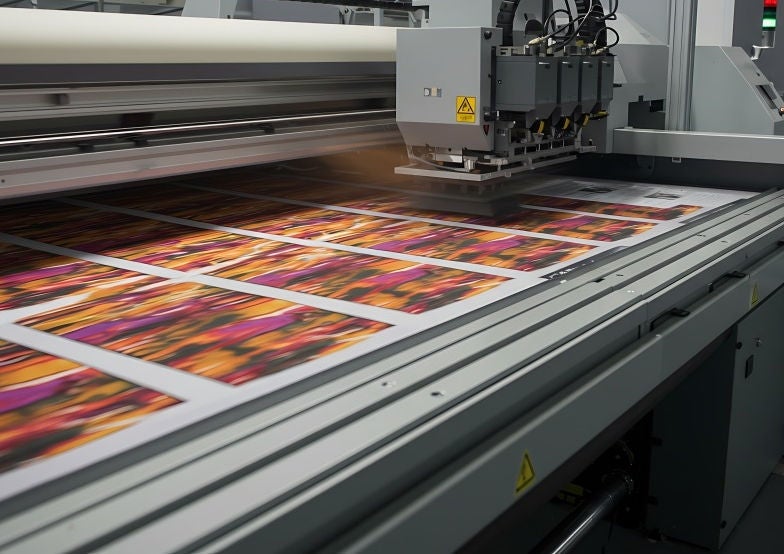
Inkjet inks are materials in which color performance and jetting stability are critically important.
DNP Fine Chemicals optimizes formulations according to application requirements and precisely controls wettability, drying behavior, and adhesion.
Etching solutions
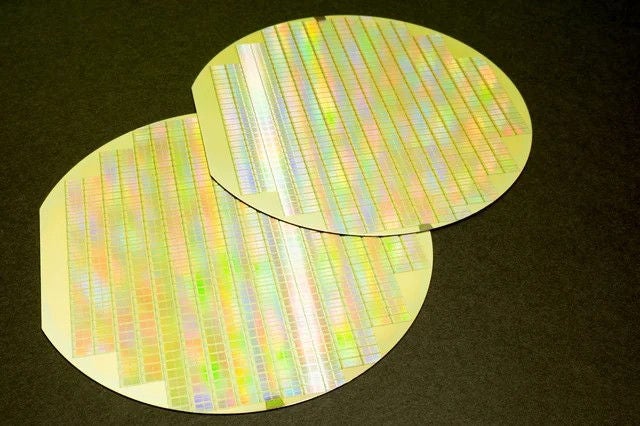
Etching solutions are chemical agents used to selectively remove metals or substrates, and processing uniformity directly affects product precision. DNP Fine Chemicals’ precision dispersion technology uniformly stabilizes catalyst particles and functional particles at the nanoscale, suppressing reaction unevenness.
As a result, high reproducibility is achieved even in fine processing, and sedimentation and aggregation during long-term storage are prevented, contributing to the stable performance of the chemical solution over time.
Frequently Asked Questions About Precision Dispersion Technology
Q. What Types of Materials Are Suitable for Precision Dispersion?
A. A wide range of particles can be handled, including pigments, inorganic fillers, metal particles, and resin microparticles. Dispersion is also possible for high-viscosity systems and high-solid-content materials.
Q. To what extent can you handle high-concentration dispersion?
A. While the achievable concentration is optimized according to material characteristics and application requirements, we are equipped with formulation design and processing facilities that suppress aggregation and maintain uniformity even in high-viscosity, high-solid-content systems.
Individual evaluation can be conducted based on the intended application.
Q. How small can the particle size be reduced?
A. Depending on the particle characteristics, micrometer-sized particles can be reduced to the nanometer level and adjusted to achieve a narrow particle size distribution. This technology is utilized in applications such as display materials and inks.
Q. What differentiates your technology from others, and what are your key strengths?
A. Our key strength lies in our ability to carry out resin design, interfacial control, dispersion processing, and evaluation/analysis in an integrated manner.
We leverage expertise cultivated through mass-production materials to address challenges such as dispersion in high-concentration and high-viscosity systems, as well as stabilization of nanoparticles.
Please note that inquiries from individual customers cannot be accepted. Thank you for your understanding.