
CSD Filling Machine | Pasteurizer-Free Aseptic Filling System
DNP's aseptic CSD (carbonated soft drink) is a pasteurizer-free aseptic filling system that fills highly carbonated beverages in lightweight, non-crystallized PET, maintaining full sterility while dramatically reducing water, steam, and line footprint. It’s the ideal choice for brands seeking premium carbonation without heavy bottles, heat damage or expensive utility costs.
Table of contents
What is a carbonated filling machine?
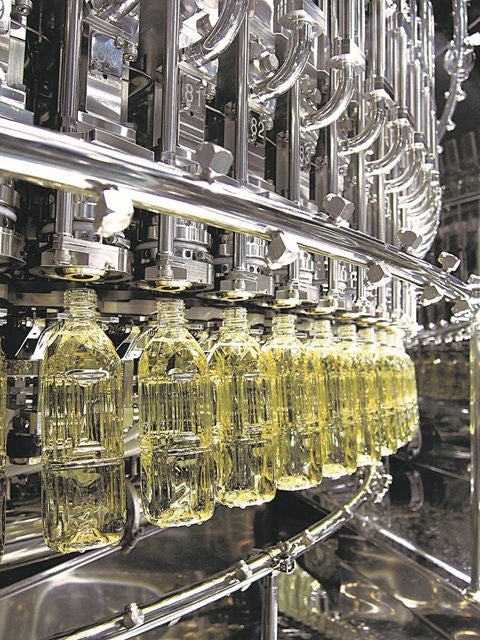
A carbonated filling machine loads empty bottles or cans, removes residual oxygen with a quick CO₂ purge, and dispenses sparkling beverages under carefully controlled pressure and flow so that foam and gas loss are kept in check. When sterilization is required, carbonated beverages containing animal or plant constituents must be filled cold and then pasteurized at 65°C or higher for at least 10 minutes to comply with the Japanese Food Sanitation Law.
Problems with conventional carbonated filling machines
The mandatory post-fill pasteurization step creates several drawbacks:
Cap-sealing challenges:
The higher temperature of the carbonated beverage increases the pressure inside the PET bottle, making it difficult to ensure the sealing of the cap.
Heat-resistant bottles required:
It is necessary to use special pressure- and heat-resistant PET bottles with crystallised mouth parts, adding resin weight and cost.
High steam & water consumption:
The pasteurizer demands significant steam and water consumption, driving up utility use and CO₂ emissions.
Large footprint:
The tunnel pasteurizer occupies a large footprint, restricting line layout flexibility and expansion options.
What is the new carbonated filling machine aseptic CSD?
DNP’s aseptic CSD fills high-CO₂ beverages in PET bottles without a downstream pasteurizer, dramatically reducing water, steam and floor-space usage. It still delivers full sterility while lowering packaging costs and enabling lighter, more sustainable bottle designs.
Key features
- Compatible with non-crystallized-neck aseptic PET bottles, reducing production costs
- Equipped with a fully sterile carbonator for superior microbiological safety
- Eliminates the need for downstream pasteurization, saving floor space, water, and steam utilities
- Handles high-CO₂, highly carbonated beverages with precision and consistency
- Prevents flavor degradation typically caused by pasteurization
Advantages
Lightweight, non-crystallised bottles – lower costs and lower CO₂ emissions
Runs on aseptic PET bottles that do not require crystallization of the mouth, eliminating the extra resin and heat-set processing normally needed for carbonated drinks. The lighter bottles cut preform costs, shrink transport weight and reduce CO₂ emissions, all while meeting normal-pressure performance requirements.
Fully sterile carbonator – superior microbiological quality
Integrates an aseptic carbonation filler that brings the product to the filler already sterile, maintaining high CO₂ levels without post-fill heat treatment. This closed, hygienic system delivers excellent microbiological safety and preserves delicate flavors and aromas that would otherwise be damaged by pasteurization.
Pasteurizer-free layout – big savings in space, steam and water
Because no downstream pasteurizer is required, the line footprint shrinks dramatically and utility demand plunges. The elimination of the tunnel pasteurizer brings a significant reduction in steam and water consumption, lowers operating expenses and improves overall equipment sustainability.
High-CO₂ capability – freedom to launch strongly carbonated products
The system safely fills high-gas-volume beverages—sparkling waters, energy drinks, probiotic sodas—under aseptic conditions. Brand owners gain greater freedom in product design and can offer premium, strongly carbonated SKUs without the traditional trade-offs of heavy bottles or thermal damage.
Case study of aseptic CSD
Juice filling machine case study — 54,000 bph PET bottle line at Asahi Nagoya (Japan)
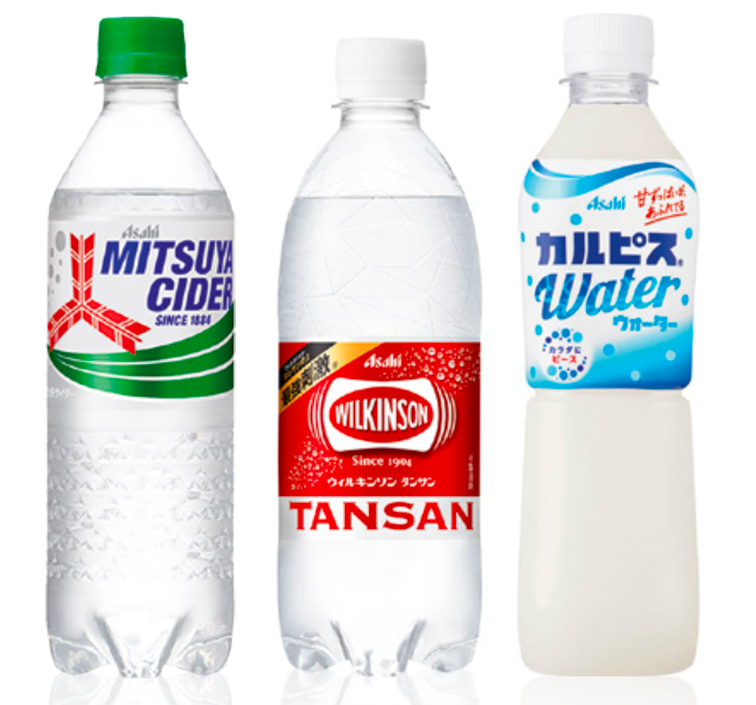
Asahi Breweries’ Nagoya factory commissioned DNP’s aseptic PET bottle filling system in April 2021 to produce carbonated and non-carbonated beverages for its Mitsuya Cider, Wilkinson, and Calpis brands. An energy-saving blow molder and aseptic carbonation filler sterilize bottles with H₂O₂ gas at around 50°C, while a 30 m³/h UHT sterilizer feeds product for filling 500ml at 54,000 bph (20,000 bph for 1.5L), where bph refers to bottles per hour; media-fill tests of over 30,000 bottles confirmed sterility with no spoilage. DNP’s patented CSIP technology runs CIP and SIP simultaneously in less than two hours per changeover, and by eliminating the pasteurizer and using normal-pressure PET bottles, the system reduces H₂O₂ usage by approximately 40%, reduces the total cost of ownership, and cuts CO₂ emissions.