Aseptic Filling Machine for PET Bottles — Proven Sterility, Eco-Ready Performance
DNP’s aseptic filling systems for PET bottles support a wide range of beverages, including water, tea, coffee, juice and carbonated beverages. We can configure these systems to meet specific beverage characteristics, bottle specifications, production capacity and quality requirements. They cover processes from bottle molding and sterilization to filling and capping.
By combining aseptic technologies we have developed since 1972 with our expertise in packaging and engineering, we provide PET bottle filling systems that achieve high levels of sterility and productivity while reducing environmental impact.
Table of contents
PET bottle filling machine overview & specifications
We can configure our aseptic filling systems to meet different beverage characteristics, container specifications and production requirements. From bottle molding and sterilization to filling and capping, we integrate each process into a single system designed to maintain sterility while enabling stable, high-speed production.
Video: Japan's highest quality aseptic filling system for PET bottles (0:35)
| Item | Specifications / Capabilities | |||||||||||||||||||||||||||||||
|---|---|---|---|---|---|---|---|---|---|---|---|---|---|---|---|---|---|---|---|---|---|---|---|---|---|---|---|---|---|---|---|---|
| Beverages | Water, tea, coffee, juice, beverages containing pulp or particulates and carbonated beverages and more | |||||||||||||||||||||||||||||||
| Bottle size | 100–2,000 mL | |||||||||||||||||||||||||||||||
| Bottle neck diameter | 28–38 mm | |||||||||||||||||||||||||||||||
| Caps | Screw caps, sports caps | |||||||||||||||||||||||||||||||
| Production capacity | Up to 72,000 bottles per hour, depending on system configuration and beverage characteristics | |||||||||||||||||||||||||||||||
| Sterilization | H₂O₂-based bottle sterilization and other methods | |||||||||||||||||||||||||||||||
| Filling method | Aseptic filling | |||||||||||||||||||||||||||||||
| Installed systems | More than 230 systems worldwide | |||||||||||||||||||||||||||||||
| FDA-approved systems | 12 systems | |||||||||||||||||||||||||||||||
| Patents related to aseptic technology | More than 400 | |||||||||||||||||||||||||||||||
Proven sterility and filling performance
| Item | Specifications / Capabilities | |||||||||||||||||||||||||||||||
|---|---|---|---|---|---|---|---|---|---|---|---|---|---|---|---|---|---|---|---|---|---|---|---|---|---|---|---|---|---|---|---|---|
| Sterilization performance | Reduction of more than 6 log for B. atrophaeus spores | |||||||||||||||||||||||||||||||
| Long-term operation | More than 20 years of proven aseptic operation | |||||||||||||||||||||||||||||||
| Media fill performance | Fewer than 1 contaminated bottle per 60,000 bottles | |||||||||||||||||||||||||||||||
| Traceability | Filling, capping and critical control point (CCP) data recorded every second | |||||||||||||||||||||||||||||||
| Filling accuracy | Net weight accuracy of within 0.5 g | |||||||||||||||||||||||||||||||
Overview of our aseptic filling machine for PET bottles
Building on aseptic technology refined since 1972, DNP integrates advanced packaging expertise to ensure reliable material and system compatibility. With decades of engineering experience, we deliver robust, high-uptime layouts supported by digital transformation (DX) tools for real-time line feedback and rigorous analysis based on hundreds of installations.
The result is a complete aseptic filling solution embodied in our PET bottle filling machines — delivering the top-tier levels of sterility with minimal environmental impact. Proudly designed and manufactured in Japan with world-renowned craftsmanship, these machines meet diverse customer needs and keep producers future-ready.
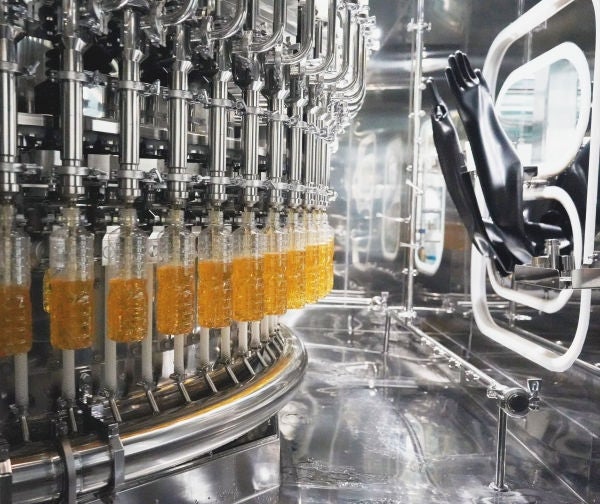 DNP's aseptic PET filling machine
Key machine metrics
- Products: Tea, coffee, juice, beverages with pulp or particles, water and CSD (carbonated soft drinks)
- Bottle sizes: 100-2,000 ml
- Mouth diameter: 28-38 mm (screw and sports caps)
- Installations: Over 230 aseptic filling systems installed (top market share in Japan: over 50%)
- FDA approved: 12 systems (first rotary-type approval in 2005)
- Patents related to asepsis: Over 400 registered
Our aseptic filling technologies
Two-step sterilization — lower TCO
DNP has introduced a next-generation aseptic filling system for PET bottles, featuring a proprietary Two-Step Sterilization process that integrates both preform and bottle decontamination. This innovation has significantly reduced the system footprint and total cost of ownership (TCO). Recognized as one of the most sterile and reliable aseptic filling technologies globally, the Two-Step Sterilization system sets a new benchmark in beverage safety and efficiency.
Key features
- H₂O₂-based dry sterilization: Reduces energy, water, and resin usage
- Maximum filling speed: Up to 72,000 bph
- Compatible with ultra-lightweight and flexible bottle designs
- Utilizes residual heat from the blow molding process for preform and bottle sterilization
Video: Two-step sterilization (1:48)
Green Aseptic™ — sustainability
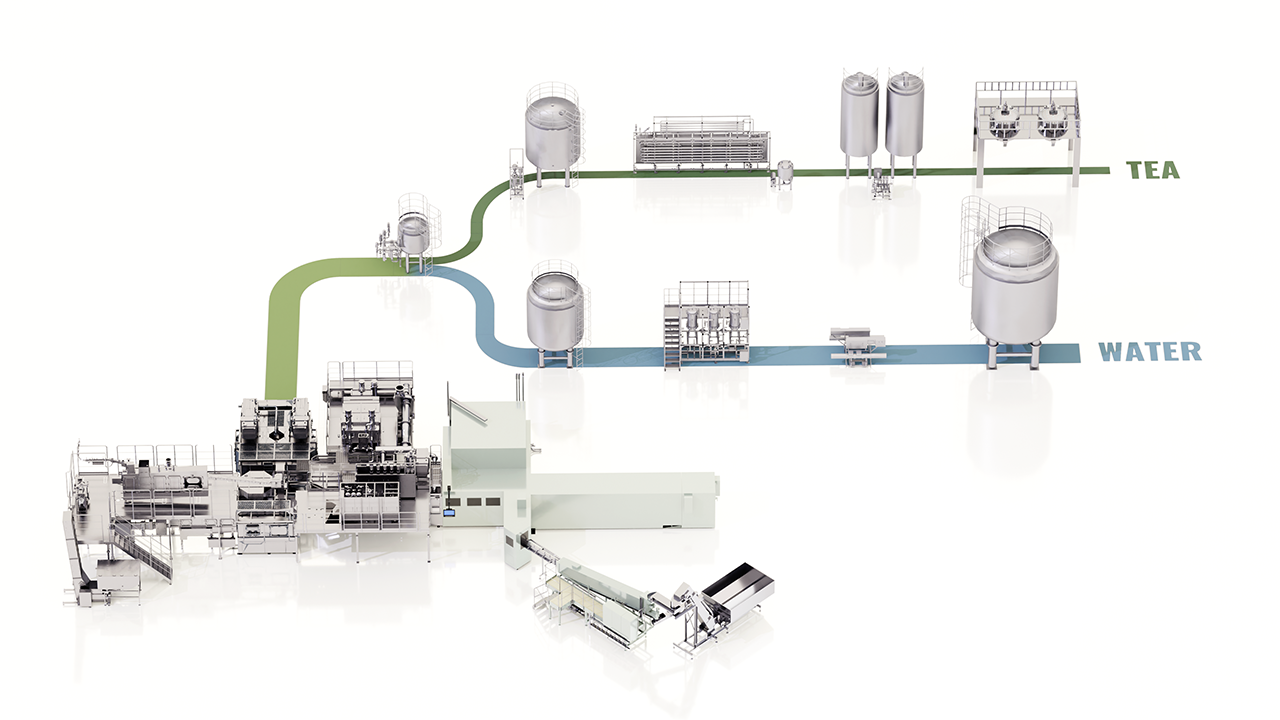
The Green Aseptic system is an innovative non-thermal sterilization technology that combines medium-pressure UV lamps with sterilization filters. This patented technology has significantly advanced decarbonization and energy efficiency in liquid processing systems for both low- and high-acid beverages.
Key features
- Decarbonization through ultra-low‑carbon sterile water production
- Advanced non‑thermal sterilization technology for energy efficiency
- Non-thermal sterilization and aseptic blending reduce energy consumption of UHT sterilizers by approximately 80% (at 5× dilution)
Video: Green Aseptic (2:38)
Case studies: tea, juice & water filled with our aseptic filling machine for PET bottles
Tea filling machine case study — 36,000 bph
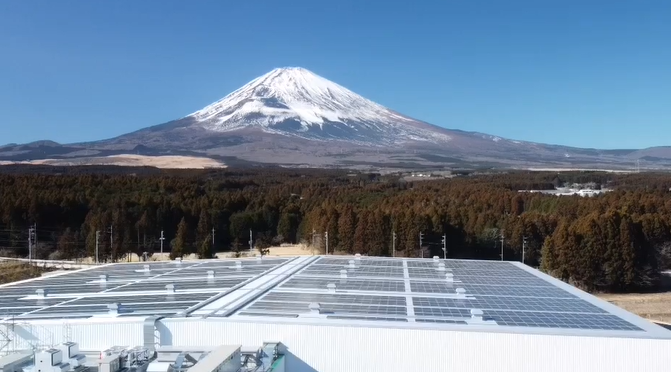
A leading beverage producer in Shizuoka began commercial tea production in April 2024 using DNP’s Green Aseptic system. Concentrated tea extract is sterilized with a compact UHT unit and diluted with sterile water produced by non-heat sterilization using UV lamps and filters.
The line aseptically fills 500 ml bottles at 36,000 bph, using non-heated sterile water for all rinsing processes. Media-fill tests of over 10,000 bottles showed zero spoilage. The system reduces energy consumption and CO₂ emissions by approximately 80%, setting a new sustainability benchmark for low-acid beverages.
Juice filling machine case study — 54,000 bph
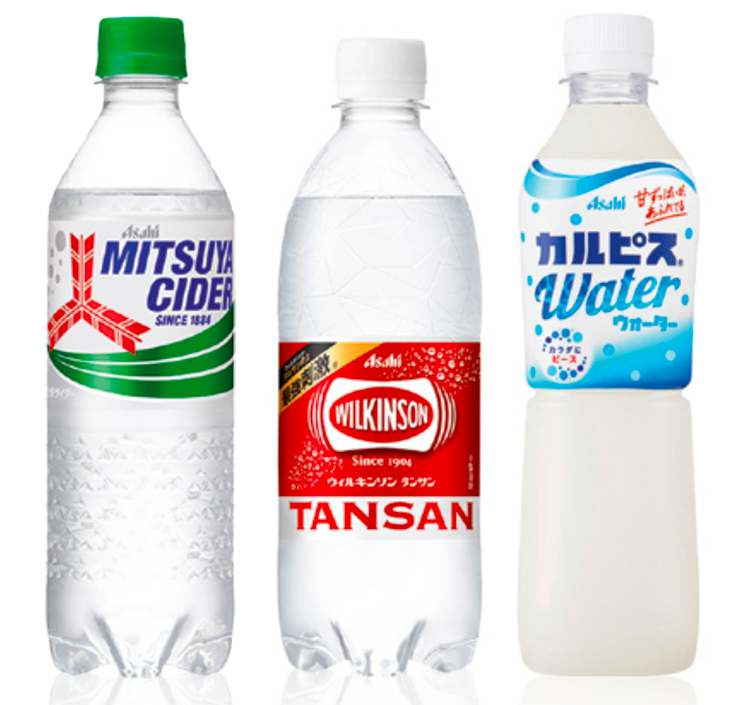
Asahi Breweries installed DNP’s aseptic PET system at its Nagoya plant in April 2021 for products such as Mitsuya Cider and Calpis. Bottles are sterilized with H₂O₂ gas, and a UHT sterilizer supplies product for filling at up to 54,000 bph (500 ml).
Media-fill tests of over 30,000 bottles confirmed full sterility. DNP’s CSIP technology enables simultaneous CIP/SIP in under two hours. By eliminating pasteurization and using standard-pressure PET bottles, the system reduces H₂O₂ usage by ~40%, lowers total cost, and cuts CO₂ emissions.
Water filling machine case study — infant mineral water
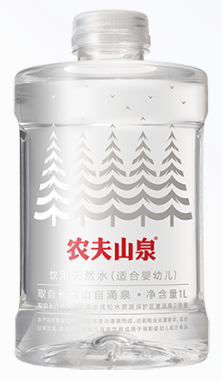
In 2015, Nongfu Spring introduced infant mineral water using DNP’s aseptic PET system. Bottles and caps are sterilized without chemicals, and the aseptic chamber is cleaned with sterile water.
The system operates at 54,000 bph and ensures sterility for uniquely shaped bottles. This chemical-free process supports the delivery of safe and reliable mineral water, reinforcing a natural and healthy brand image.