
DNP's Moisture Absorbing Laminate
This packaging material is designed to regulate internal moisture by blending a desiccant into a polyolefin-based film resin, allowing it to absorb moisture both inside the package and from its contents. For example, some pharmaceuticals are highly hygroscopic, absorbing moisture from the air and degrading over time, which leads to reduced efficacy. "DNP's Moisture-Absorbing Laminate" addresses this issue with high moisture absorption performance and flexible packaging design tailored to the specific needs of the contents.
What is "DNP's moisture absorbing laminate"?
A packaging material that absorbs moisture from both the package interior and its contents
This packaging material reduces the deterioration of pharmaceutical and food contents due to moisture, as well as malfunctions of medical and precision devices caused by humidity.
By absorbing moisture through a film blended with a desiccant, this packaging material can regulate internal humidity without the need for additional desiccant silica sachets, making it an effective moisture control solution for pharmaceuticals, food products, and medical devices.
Product features
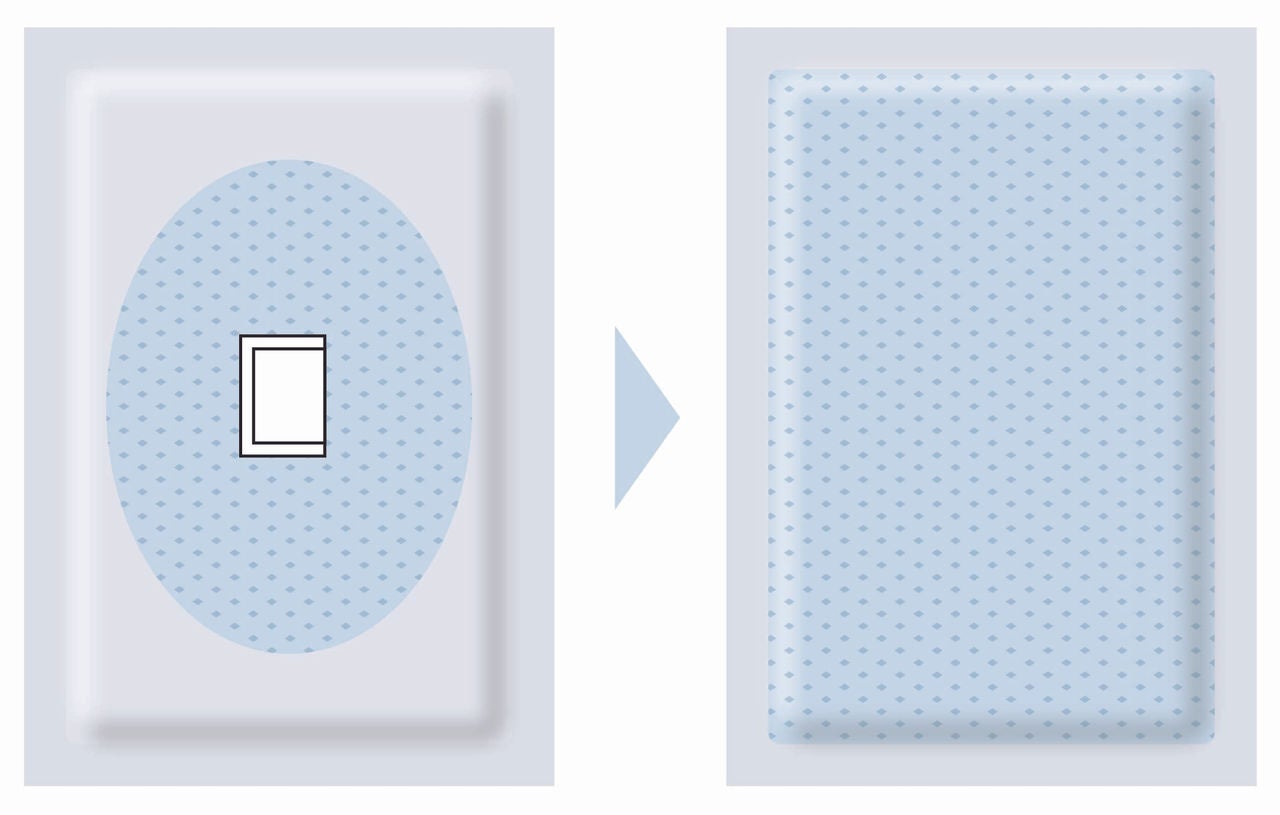
Wide-area moisture absorption effect
While conventional desiccants provide localized moisture absorption, this film efficiently absorbs moisture over its entire surface thanks to the moisture-absorbing layer.
Ensuring end-user safety
This eliminates the risk of consumers accidentally ingesting desiccant silica sachets.

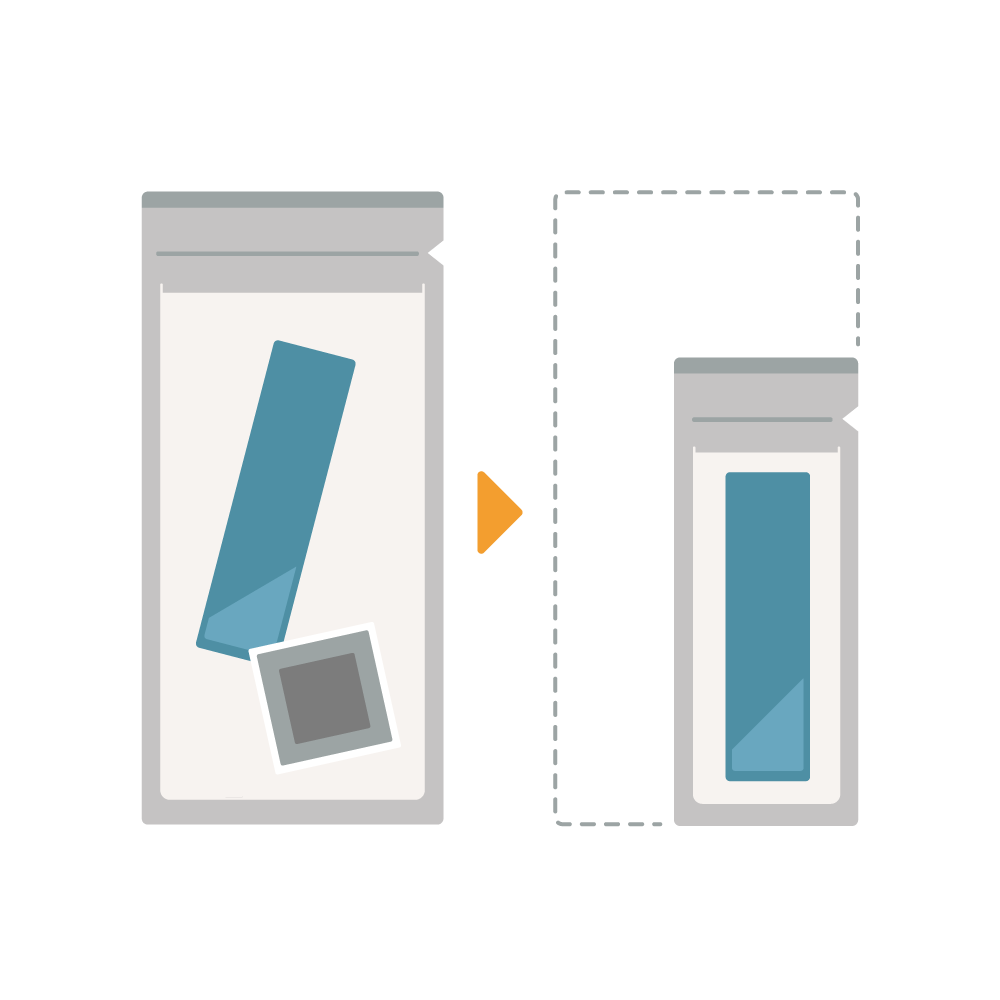
Compatible with small pouches
Even small pouches that cannot enclose desiccant silica sachets can benefit from moisture control. Additionally, since a separate desiccant silica sachet is not required, the overall packaging size can be reduced.
Simplified packaging process
By not using desiccants, the insertion process, inventory management, and inspection procedures are reduced, leading to increased efficiency in the production process.

Moisture absorption performance
Absorption capacity
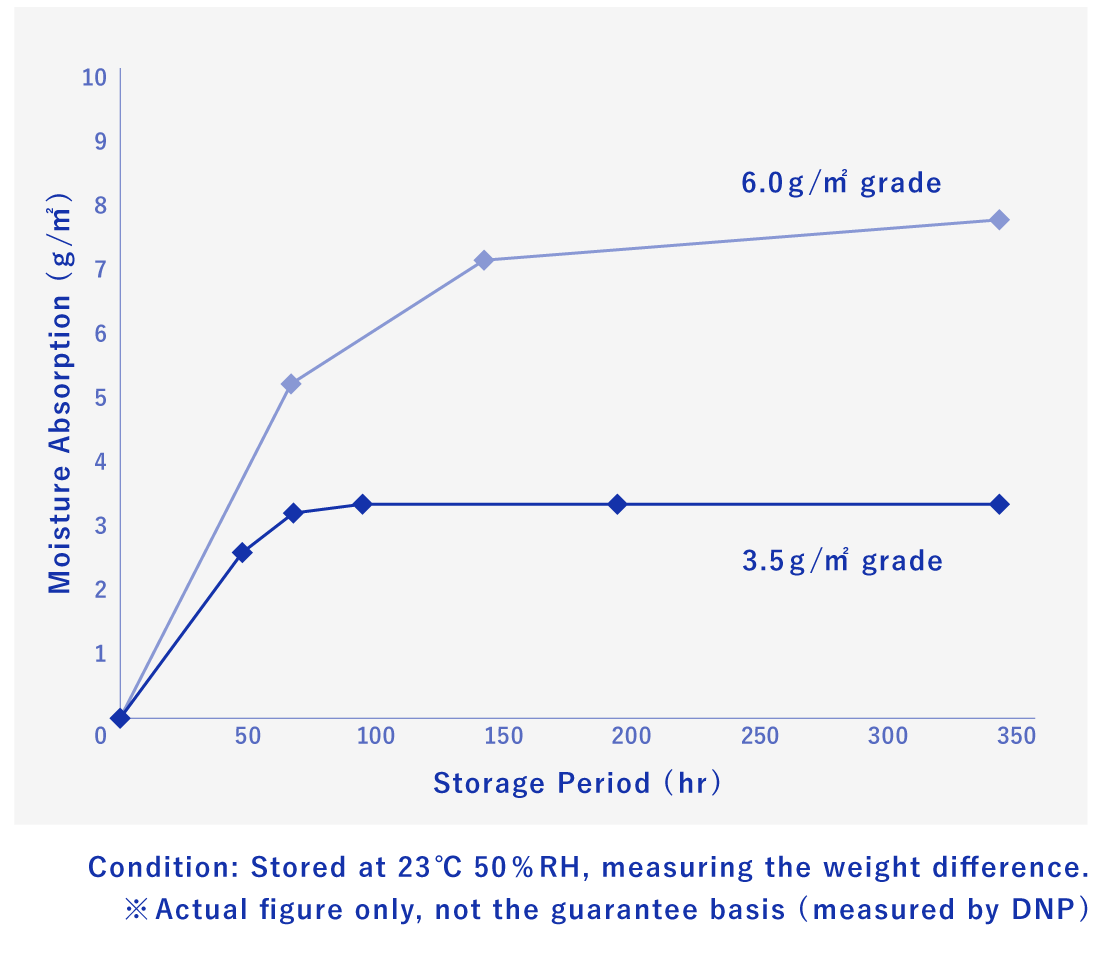
The moisture absorption capacity over time was measured for two types: 3.5g/m² and 6.0g/m². The graph indicates that once moisture is absorbed, it is not released again and a stable environment is maintained inside the package.
You can choose from the following two types based on the contents' requirements:
Moisture Absorption: 3.5g/m² Type
Moisture Absorption: 6.0g/m² Type
- Actual figure only, not the guarantee basis.
Main application fields & uses
Pharmaceuticals
DNP's moisture absorbing laminate is designed with moisture protection and absorption properties, helping to prevent the deterioration of packed contents. (e.g. granule, tablet, oral thin film)

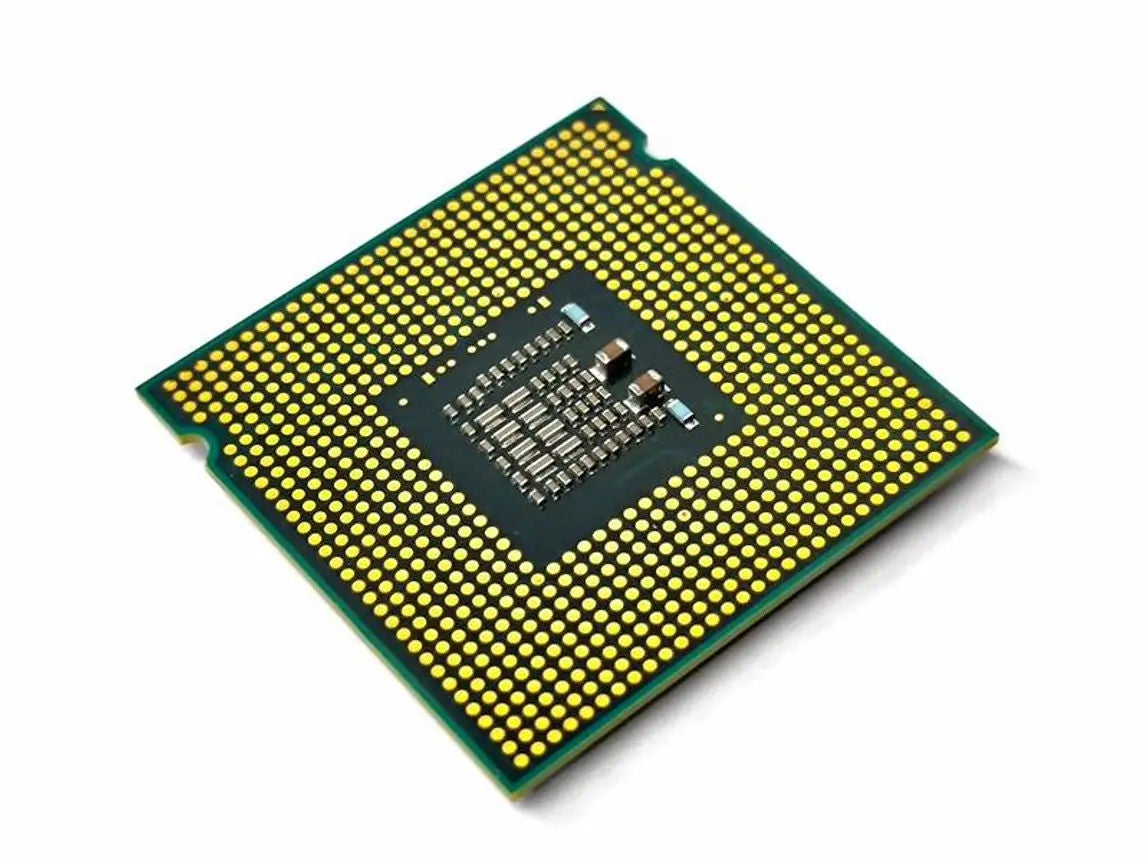
Medical devices, precision electronic components
Electronic components in medical and precision devices can degrade or malfunction due to humidity. DNP’s packaging helps prevent rust and failures during international transportation.
Diagnostic devices
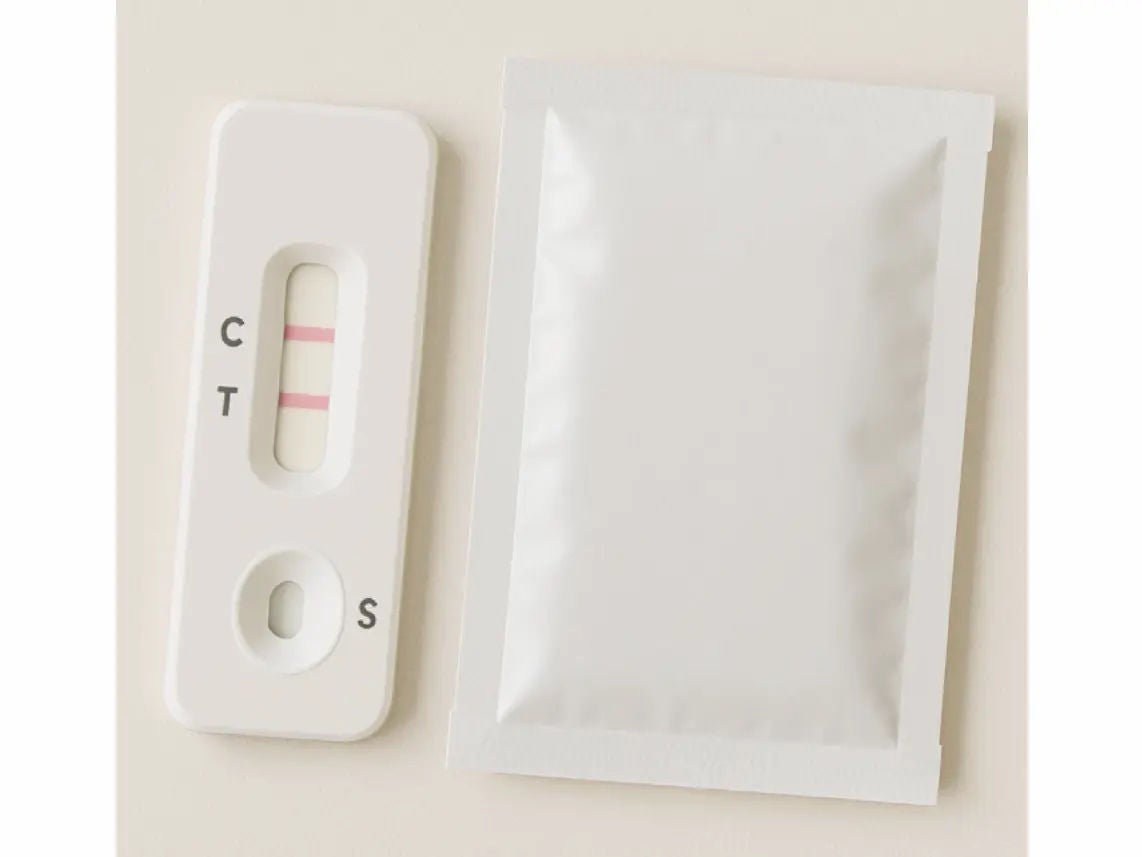
Diagnostic devices are sensitive to moisture and moisture may lead to inaccurate results. Using moisture absorbing laminate helps to keep the inside of the pouch as dry as possible.
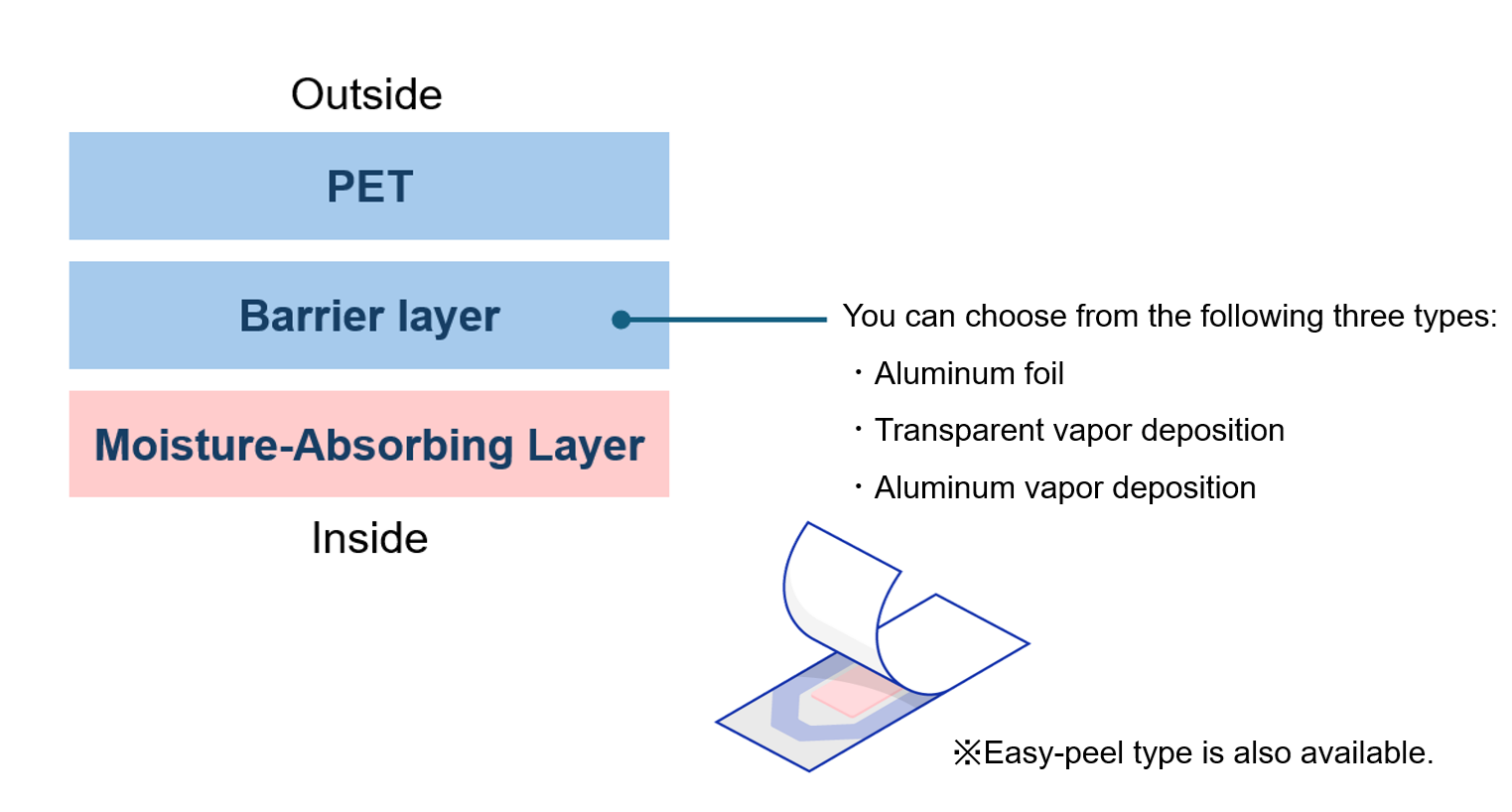
Film composition examples
Typical layer structure:
PET / Adhesive / Aluminum Foil / Adhesive / Moisture-Absorbing Layer
Available barrier layer materials:
Aluminum Foil
Transparent Vapor Deposition
Aluminum Vapor Deposition
Adoption cases
Packaging for medical sensors
For sensor components that are highly sensitive to humidity, an inner-layer moisture-absorbing function has been adopted.
FAQ collection
We have compiled frequently asked questions from our customers along with our responses.
- Question
-
Does the absorbed moisture get released?
- Answer
-
Under normal usage conditions, the absorbed moisture would not be released again.
- Question
-
Are there different moisture absorption capacity options?
- Answer
-
Currently, we offer two types: 3.5g/m² and 6.0g/m².
- Question
-
Can environmentally friendly specifications be accommodated?
- Answer
-
Yes. Sustainable solutions are available, including package downsizing and replacing desiccant silica sachets with efficient moisture-absorbing films to reduce environmental impact.
- Question
-
How should I choose the barrier layer?
- Answer
-
Your choice depends on the required water vapor barrier level and the use of metal detectors. Please contact us for more details.