
DNP to Exhibit Light Control Film at CES 2026, One of the World’s Largest Tech Events
Introduces Electronic Shade Technology for EV
Dec 19, 2025
December 19, 2025 Tokyo Dai Nippon Printing Co., Ltd. (DNP) and AKARI, LLC11 will exhibit their advanced Electronic Shade at CES 2026 (Consumer Electronics Show). CES is one of the world’s largest technology trade fairs, and the 2026 exhibition will be held January 6–9, 2026, in Las Vegas, NV, USA.
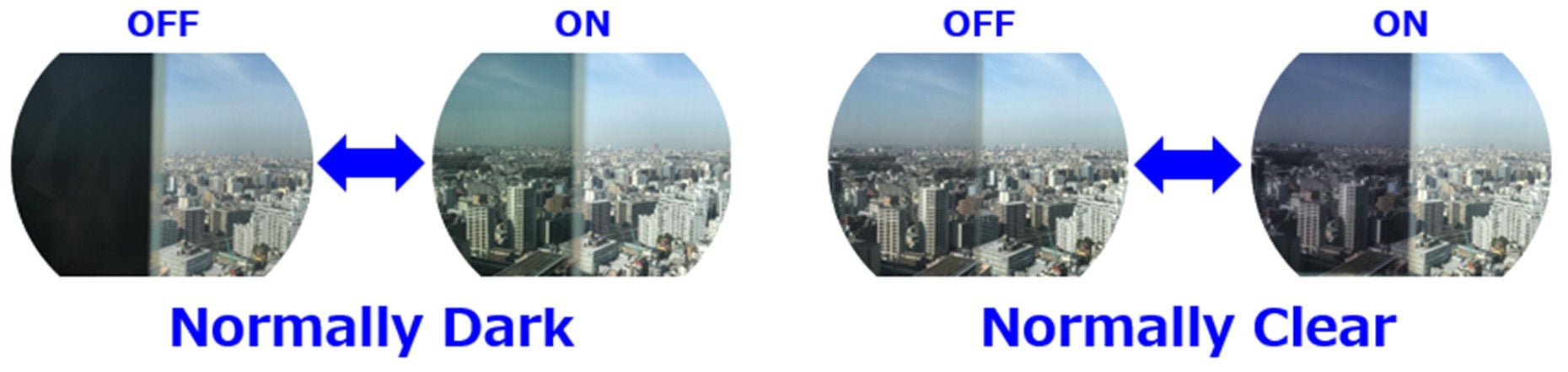
Electronic Shade is a GHLC-based2 light control film leveraging DNP’s precision coating and film processing technologies, enabling electrical control of dimming.
CES 2026 Exhibition Overview
Dates: January 6 – 9, 2026
○Event time: 10:00-17:00 (local time)
Venue: Las Vegas Convention Center (LVCC), West Hall
DNP booth: No. 6873
○イベント公式サイト : https://www.ces.tech/
- 詳しくはこちら(AKARI News Release(英語)) → AKARI at CES 2026... [URL][https://akari-lcf.com/f/akari-at-ces-2026]
DNP’s Electronic Shade
In particular, there is a growing need for thinner and lighter shade mechanisms for sunroofs and side windows, particularly in battery-powered EVs, to ensure a larger interior space, and light control film are attracting attention as a technology that can meet this need. DNP's light control film are capable of instantaneous dimming, and their major strength is their energy-saving performance compared to other technologies and products. In addition, by achieving a natural black color when blocking light, they create a calming atmosphere in the interior of the vehicle and achieve a high level of design that harmonizes with the vehicle's exterior. Although they are a film, their glass-like clarity reduces stress for occupants, creating an in-car environment in which the driver and passengers can feel comfortable.
- 電子シェードの詳細はこちら → https://www.dnp.co.jp/biz/products/detail/20172637_4986.html
- Click here for a video introducing light control film
- 1 AKARI, LLCについて → https://akari-lcf.com/
- 2. GHLC (Guest-Host Liquid Crystal) : A light control technology in which special dyes are mixed with liquid crystals, and applies voltage to alter the liquid crystals orientation, changing the appearance of the dyes. By changing the positioning of the pigments via electrical stimulation, it is possible to control the glass transparency instantaneously.
- Company and product names mentioned in this release are the trademarks or registered trademarks of their respective owners.
- Information contained in this release is current as of the date of announcement, and is subject to change without notice.